Summary
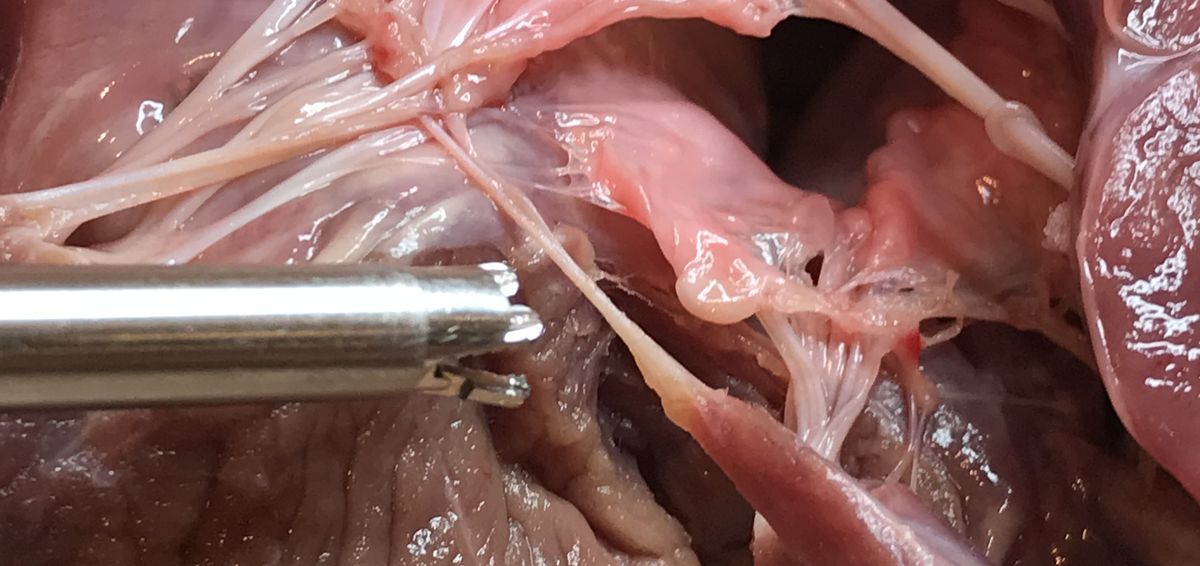
A Harvard Medical School cardiologist developed a novel, minimally invasive method to extend the chordae tendineae for improved heart valve function but needed a way to test its feasibility. Our team designed a precision clamp and catheter-based delivery system that could adjust the chordae’s length and sever them without stopping the heart. Using micromachining and EDM, we produced test components that enabled successful proof of concept, ultimately leading to the cardiologist securing a patent for the device.
Opportunity
A cardiologist from Harvard Medical School developed an innovative approach to addressing issues related to blood flow through the heart’s chambers. His concept focused on a minimally invasive technique to extend the length of the chordae tendineae—fibrous structures responsible for controlling the closure of the heart valve leaflets. However, before advancing further, he required assistance in demonstrating the feasibility of his idea through a functional proof of concept.
Our team was engaged to develop a method that would allow him to effectively test and validate his approach.
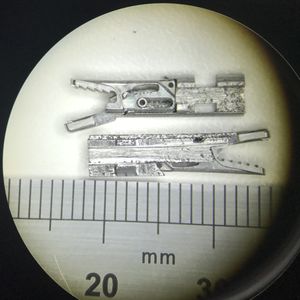
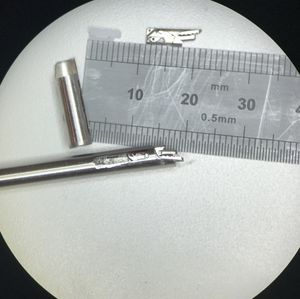
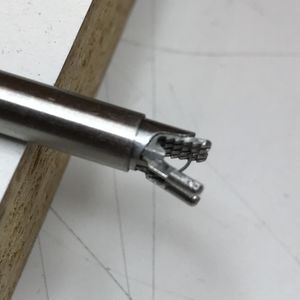
Through in-depth discussions with the cardiologist, we determined that the most viable way to evaluate his concept was by designing a specialized clamp system. This system needed to be exceptionally small and capable of being delivered via a catheter. The clamp would be affixed to the chordae tendineae, enabling precise adjustment of the distance between its anchor points. Once the optimal tension was achieved, the procedure would require severing the chordae to facilitate proper valve closure—all while the heart remained in continuous operation.
The primary challenge was engineering a device and delivery mechanism that could perform these intricate manipulations in a minimally invasive manner, ensuring both precision and safety.
Solution
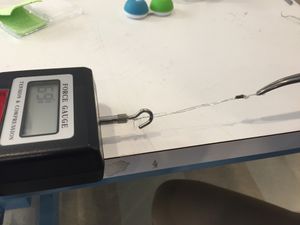
Leveraging advanced micromachining techniques and electrical discharge machining (EDM), we successfully fabricated a sufficient quantity of precision components for initial testing. These prototypes enabled the cardiologist to conduct experimental evaluations, ultimately leading to the successful patenting of his device. Our contribution played a crucial role in transforming his theoretical concept into a tangible, testable medical innovation.
Images